
Exploring Effective Methods to Protect the Soil
The relationship between land management practices and soil health is crucial. One of the most effective methods for maintaining soil stability and preventing erosion is through meticulous land management. By understanding how different practices impact the environment, we can take proactive steps to safeguard valuable soil resources. In this context, exploring various strategies becomes essential in ensuring that our landscapes remain productive and sustainable.
Importance of Managing the Landscape
Managing the landscape plays a vital role in combating soil erosion. It involves a series of thoughtful actions that help maintain the integrity of the soil. Proper management ensures that natural vegetation supports the soil structure, reducing the risk of erosion during heavy rains. By focusing on these practices, we contribute positively to environmental sustainability.
How Vegetation Can Stabilize Soil
Vegetation serves as a natural barrier against soil erosion. Plants have root systems that help bind the soil together, minimizing its displacement by water or wind. By nurturing native plant species, we can enhance the stability of topsoil. This approach not only conserves biodiversity but also enhances soil fertility.
The Impact of Land Clearing on Soil
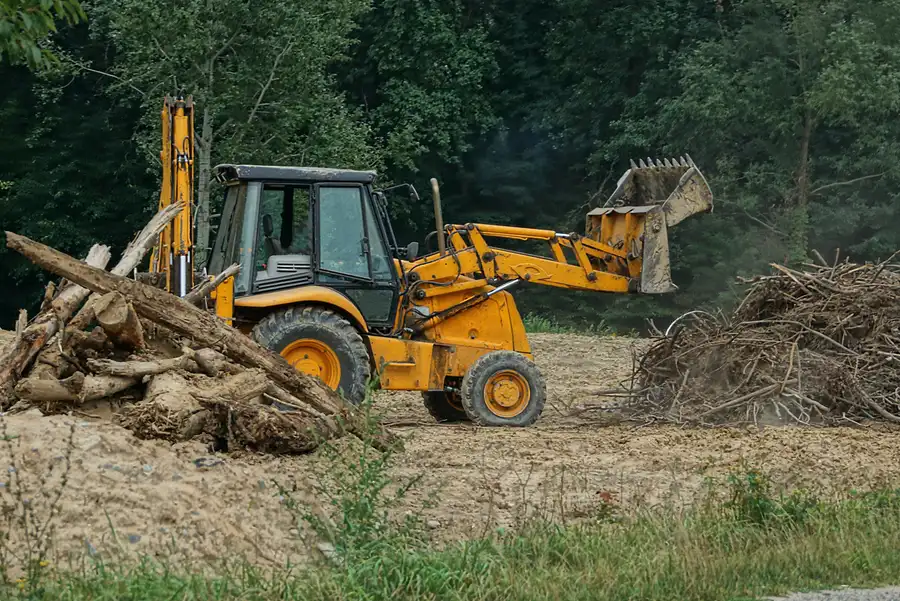
land clearing has significant implications for the landscape. When done thoughtfully, it can open up areas for more efficient use while protecting existing soil structures. However, indiscriminate clearing can lead to severe soil degradation. Thus, understanding the balance between development needs and environmental preservation is key.
Balancing Development With Environmental Protection
Development often requires altering landscapes, which must be balanced with environmental considerations. Sustainable development involves planning activities that minimize adverse impacts on soil health. Through careful assessment and application of best practices, developers can ensure their projects support long-term ecological stability.
Techniques to Minimize Soil Displacement
A variety of techniques can be employed to reduce soil displacement. These methods include contour plowing, terracing, and planting cover crops. Each technique offers unique benefits that protect soil from erosion forces. Here’s how they work:
- Contour Plowing: Aligns plowing patterns with natural contours of the land, reducing runoff.
- Terracing: Creates stepped levels on slopes to slow water flow.
- Cover Crops: Plants sown specifically to protect bare earth from erosion.
Addressing Challenges Posed by Poor Practices
Poor land management practices can lead to increased erosion rates. For instance, removing vegetation without plans for replanting exposes soil to erosion risks. Addressing these challenges requires adopting sustainable practices and educating stakeholders about the importance of preserving vegetative cover.
Guidelines for Effective Land Management
Implementing guidelines helps maintain healthy soils while supporting necessary developments. Some key guidelines include evaluating site-specific conditions before proceeding with any alterations and using erosion control measures where needed. Following these recommendations can significantly mitigate negative outcomes associated with development activities.
Conclusion: Ensuring a Balanced Approach to Development
Proper landscape management ensures ongoing productivity and ecological balance. By aligning development goals with conservation principles, we help maintain healthy soils. Contact us at (218) 851-6348 for expert advice on integrating these strategies into your projects. Our team at A & D Landscaping and Tree Service LLC is committed to serving clients across Brainerd, MN, offering comprehensive solutions tailored to local needs.