
Enhancing Your Grass’s Resilience and Vitality
Maintaining a healthy lawn is crucial for any homeowner who values a lush, vibrant outdoor space. One effective way to ensure your grass remains robust is through strategic practices that promote long-term health. This includes understanding the benefits of certain techniques that strengthen your turf over time. With these insights, you can make informed decisions that lead to a thriving lawn.
The Role of Overseeding in Lawn Care
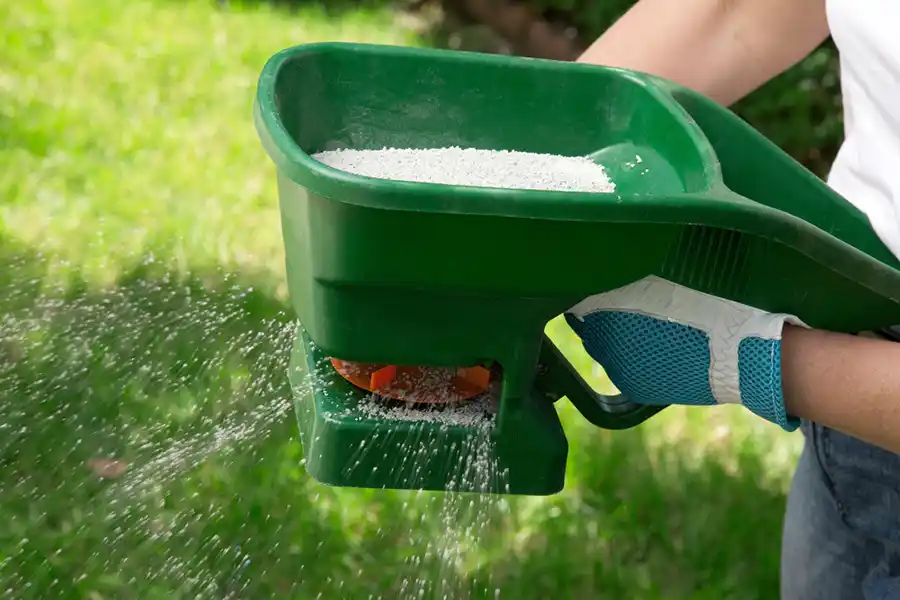
Overseeding plays a significant part in rejuvenating and maintaining your lawn’s appearance. By introducing new grass seeds into existing turf, you improve its density and overall health. This process helps fill in bare spots and reduces weed growth by increasing competition for nutrients.
Benefits of Lawn Seeding
Lawn seeding offers multiple advantages when it comes to enhancing turf health. Firstly, it introduces disease-resistant varieties that help prevent common problems. Secondly, this method increases biodiversity within your lawn, leading to improved resilience against pests. Finally, the addition of fresh seed helps thicken the grass, creating a more uniform surface.
Steps to Effective Lawn Seeding
To achieve optimal results with lawn seeding, follow these simple steps:
- Choose the right type of grass seed suitable for your climate and soil conditions.
- Prepare the soil by aerating it to ensure proper seed-to-soil contact.
- Spread the seed evenly across the lawn using a broadcast spreader.
- Water frequently but lightly to keep the seeds moist until they germinate.
Common Challenges in Lawn Care
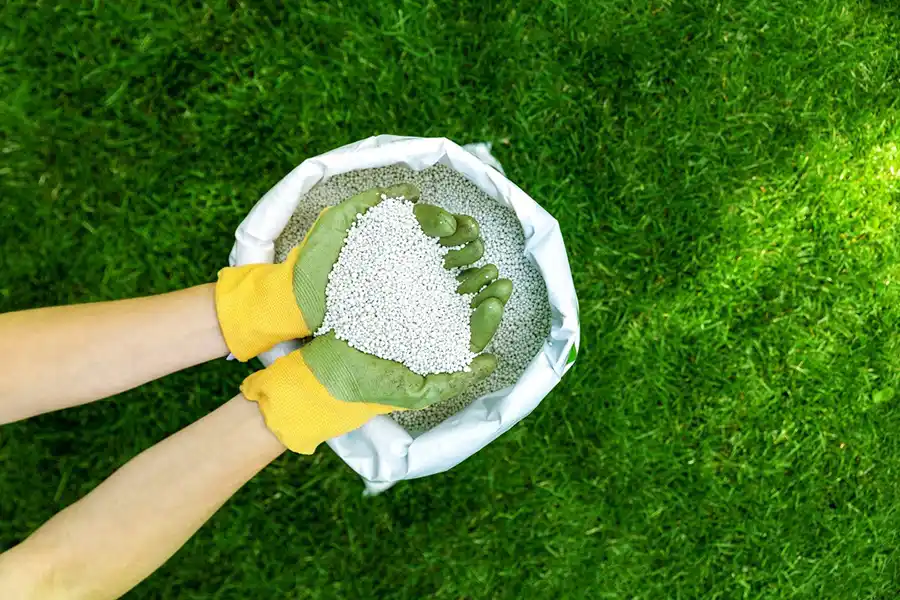
Caring for your lawn involves addressing various challenges that may arise. Weeds often compete with grass for sunlight and nutrients, which can stifle growth. Pests such as grubs can damage roots, while diseases might cause patches of discoloration.
Tackling Turf Issues Effectively
Addressing these issues requires targeted solutions and preventative measures. For weeds, consistent mowing at the recommended height keeps them under control. Using organic pest deterrents protects beneficial insects while reducing harmful ones. Regularly inspecting for signs of disease allows you to act swiftly and maintain a healthy lawn.
Best Practices for Maintaining Healthy Lawns
Adopting best practices ensures that your lawn remains in top condition throughout the year:
- Regularly test soil pH levels to keep them balanced.
- Avoid heavy foot traffic on wet grass to prevent compaction.
- Apply fertilizers during peak growing seasons for maximum benefit.
Cost Considerations for Lawn Improvements
When planning lawn improvements, factor in costs related to materials and labor. High-quality seeds may require a higher initial investment but usually offer better longevity and performance. Hiring professional services can provide expertise and convenience if you prefer not to handle maintenance yourself.
Long-Term Benefits of Consistent Care
Your commitment to consistent lawn care practices will pay off with visible long-term benefits. A well-seeded and maintained lawn leads to increased curb appeal, potentially raising property value. More importantly, a healthier lawn contributes positively to local ecosystems by supporting diverse flora and fauna.
Get Professional Assistance With Lawn Care
If you’re ready to enhance your lawn’s vitality, our team at A & D Landscaping and Tree Service LLC is here to assist. Based in Brainerd, MN, we provide expert guidance tailored to your specific needs. Contact us today at (218) 851-6348 to learn how we can help transform your outdoor space into a thriving landscape.